
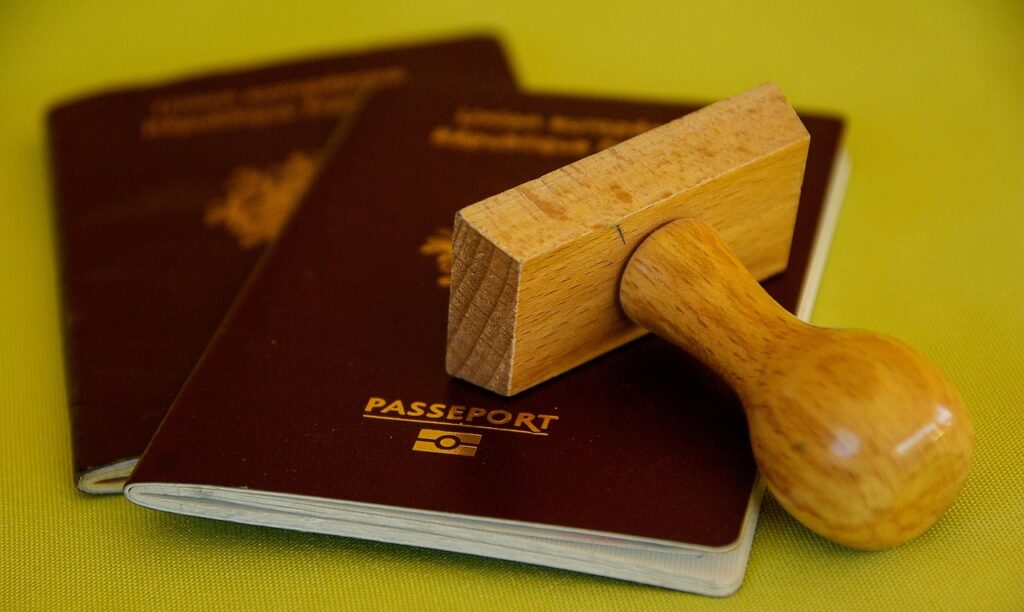
Why Cultural Awareness Matters
Culture isn’t just food or festivals it’s the invisible script behind everyday life. From how people greet each other to when (or if) it’s appropriate to make eye contact, local customs shape social behavior in ways that aren’t always obvious to outsiders. You might think you’re just being polite, but in another culture, that same gesture or phrase can carry very different weight.
Take something small: handing money to a cashier. In Japan, doing so directly can feel awkward; there’s often a tray for that exact purpose. In Italy, showing up late to dinner may be expected. In Germany, it’s offensive. These aren’t just quirks. They’re signals that tell locals whether you’re trying to understand them or bulldozing your way through.
What’s at stake? A lot more than embarrassment. Disrespecting local customs even by accident can lead to friction, closed doors, or worse: reinforcing the worst stereotypes about tourists. In one widely reported incident, a group of influencers was booted from a sacred site in Bali after posing inappropriately. They claimed ignorance. The local community saw it differently.
That gap between intention and impact is where cultural awareness lives. It’s not about being perfect. It’s about paying attention. Travelers who bother to learn a bit about the place they’re visiting tend to be welcomed, asked back, even befriended. Those who don’t? They often leave behind more than just a carbon footprint.
Research Strategies That Actually Work
Let’s be honest Googling “what not to do in Thailand” five minutes before boarding isn’t enough. If you want to show up informed, start earlier. Government travel sites can give you a basic overview, but they’re stiff and dated. Instead, lean on forums like Reddit’s r/travel or culture focused threads in Facebook groups. Locals and seasoned travelers dish out what the official guides miss.
Social media isn’t just for flexing beach pics. TikTok and Instagram are packed with creators breaking down cultural tips by country and region. Use hashtags, watch stories, and pay attention to the comments. You’ll learn fast what to wear, who not to interrupt, and whether that hand gesture means “hello” or “get lost.”
Don’t skip the subtler stuff. In some places, standing too close is rude. In others, backing away seems cold. Dress codes vary not only by country, but by settings religious sites, local homes, and public events all have their own rules. Learning these differences shows you respect the local rhythm instead of just passing through.
Ready to go deeper? Start by reading this primer on global cultural traditions. It’s a smart entry into how places tick and how you can move through them without making a mess.
What to Watch For: Key Areas of Etiquette

Some of the most awkward or respectful moments you’ll have abroad hinge on tiny behaviors you may not even think about. It’s not just the language it’s how you act before, during, and after a conversation or a meal.
Let’s start with eating. In Japan, slurping noodles is polite. In the U.S., it’s not. In some countries, tipping is expected and shows gratitude. In others, it’s considered rude or unnecessary like in South Korea, where service charges are already included, or parts of Scandinavia where tips are minimal. Sharing food? Not always a given. Using your left hand? A bad move in parts of India or the Middle East. Check for utensil norms too chopsticks, forks, eating with hands all carry unspoken rules.
Greetings vary just as widely. A handshake might be standard where you’re from, but in Thailand, a wai (palms pressed together with a slight bow) is the norm. Eye contact? Friendly in Canada, aggressive in some Asian cultures. Some countries kiss on the cheek to say hello. Others stick to nods. Pay attention; following the local lead is your safest bet.
Then there’s conversation. In France, it’s totally fine to argue ideas at dinner. In the U.K., that may feel abrasive. Some places are open about politics and religion. Others see that as too personal or disrespectful. Same for asking about salaries, age, or family think twice. Neutral topics like food, art, sports, or nature are usually safe until you know someone better.
Religious customs form another layer. Expect changes during Ramadan in Muslim majority countries food and drink restrictions apply during certain hours. Covering shoulders and knees may be required when visiting temples, mosques, or churches. And be ready for businesses to close or public behavior to shift during holidays or prayer times.
Bottom line: what’s second nature to you can be totally off mark somewhere else. Watch, listen, and follow the local flow.
Adaptive Mindset for Better Travel
When you’re in a new country, the best first move is to slow down and watch. Locals will tell you everything without saying a word. Notice how people greet each other, how they dress, how close they stand. Details matter. If you’re not sure what’s expected, ask. Skip assumptions and go straight to respectful curiosity. A simple, sincere question goes a long way and can even spark a good conversation.
At the same time, be willing to unlearn a few habits. That nod you always use? That outfit you think is fine in summer? Might not land the right way elsewhere. Adapting isn’t about losing yourself. It’s just about not being the person who barges in unaware. Be open. Adjust quickly.
For a deeper dive into how different cultures shape behavior, explore these global cultural traditions.
The Payoff of Cultural Fluency
Traveling isn’t just about seeing landmarks it’s about showing up in a way that earns trust. When you focus on understanding the culture you’re stepping into, something shifts. You stop being an outsider snapping photos, and start becoming part of the moments that matter: a shared laugh with a street vendor, an invitation to a local meal, a conversation that goes beyond surface level small talk.
Skipping the checklist approach where every hour is packed with must see spots opens up space for genuine experiences. You have time to listen. You notice the rhythm of local life. Fewer missteps happen when you’re reading the room, not just following an itinerary.
And that and this is big is what makes you the sort of traveler locals don’t just tolerate, but remember. Someone they’d welcome back. Cultural fluency isn’t about becoming an expert it’s about being humble, aware, and willing to learn. That kind of traveler makes the world a little less divided, one respectful interaction at a time.
Before You Go
Before stepping off the plane, spend a few minutes checking off the basics. Here’s a stripped down list of customs worth researching before you land:
Greeting norms: handshake, bow, nod, or none of the above?
Dress expectations: especially for religious sites or conservative areas
Meal manners: eating utensils, tipping rules, and local taboos
Public behavior: volume, gestures, and personal space rules
Religious or national holidays: what’s closed, what’s off limits, what to avoid saying
Gender roles: especially important in more traditional or patriarchal societies
Keep two buckets of info in mind. Bucket one: stuff you need ready to go in your head (like how to greet someone or act in public). Bucket two: details you can look up in the moment (like how a certain temple expects visitors to dress). Don’t burden your brain with everything. Just carry what you need to not offend or embarrass yourself.
And above all, stay humble. Cultural missteps happen. But walking in with curiosity, not confidence, makes them forgivable. That mindset goes further than perfect manners ever will.
 Johner Joneselly contributed significantly to the development of Travel Update Vault, using his skills and insights to strengthen the platform’s features and accessibility. His work in enhancing the website’s usability and ensuring smooth functionality has been essential in creating a user-friendly resource. Through his dedication, Travel Update Vault has become a trusted guide for those seeking travel updates, cultural insights, and planning tools.