
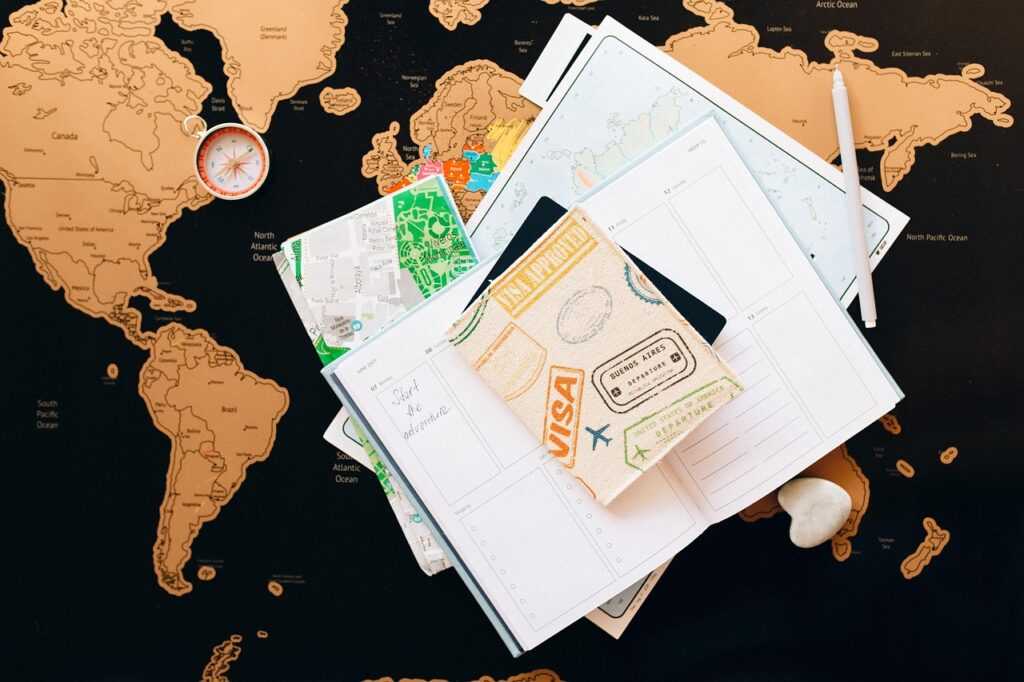
Know Your Travel Style First
Before you even open a map or tap into a trip planner, ask yourself this: are you a planner who thrives on structure, or a wanderer who likes to go with the flow? Knowing your travel personality is more important than it sounds it shapes everything from how you schedule your days to how much you actually enjoy your trip.
Planners like predictability. They want to know where they’re going, when they’re getting there, and what they’re doing once they arrive. If that’s you, building out a semi structured itinerary with time slots may ease anxiety and help you make the most of your days.
Wanderers? They’re fueled by spontaneity. Too much scheduling squeezes the life out of the experience. For them, a list of general goals or neighborhoods to explore might be plenty. The key is having flexibility built in.
Your energy levels matter too. If you burn out easily after too much back to back activity, you’ll need a slower pace with built in downtimes. If you get restless without movement or variety, you might want a looser structure that lets you cover ground. Interests play a role as well foodies, outdoors lovers, and museum hoppers all need different rhythms.
In short: your style isn’t right or wrong. It’s just the compass you’ll use to design a trip that actually works for you.
Set Anchors, Not Chains
Packing every minute of your trip with activities might look good on paper, but it rarely plays out well in real life. The smarter approach? Plan your days around one or two “anchor” experiences the absolute must dos and leave the rest open. These anchors could be anything from a guided hike, a museum tour, or catching the sunset somewhere iconic.
This method gives structure without stressing you out. It also makes room for unplanned discoveries: a coffee shop that draws you in, a local market you weren’t expecting, or even just time to relax. Overplanning squeezes out these moments. Anchoring keeps you focused without locking you in.
For example, if you’re in Rome, make seeing the Colosseum your morning anchor and dinner in Trastevere your evening one. Everything in between? Use it for walking, resting, or saying yes to whatever catches your eye. It keeps your days grounded, flexible, and way more fun.
Plan for Transitions, Not Just Destinations
Travel isn’t just about the places you see it’s about getting between them, too. One of the most overlooked parts of itinerary planning is accounting for the in between moments: airport lines, baggage claim, hotel check ins, navigating transit, and the occasional unplanned detour. These transitions shape your experience just as much as your actual destinations.
Why Transitions Matter
Underestimating travel time can throw off an entire day. Even a short flight might eat up half a day when you factor in ground transportation, boarding, and waiting times. Add international travel or public transit to the mix, and things easily stretch longer than expected.
Key transition points to plan for:
Airport transfer times and security queues
Hotel check in windows (often late afternoon)
City to city transportation (bus, train, rideshare)
Midday fatigue or the need for food/rest between stops
Build in Buffer Time
Smart travelers don’t plan back to back activities without breathing room. Instead, they build buffer spaces into each leg of the journey to reduce stress and allow for the unexpected.
Buffer strategies:
Leave 90 120 minutes between major activities when switching locations
Schedule lighter, low energy stops after long travel segments
Avoid stacking fixed time bookings (tours, reservations) close together
Use the first and last day in a location as flexible, low effort windows
Visual Tools That Help
Mapping and scheduling apps can help you see the day at a glance especially when timing is tight across multiple cities or countries.
Useful tools for transition planning:
Google Maps: Estimate travel time between stops and flag peak traffic hours
TripIt or Sygic Travel: Consolidate all transit, lodging, and timelines in one view
Journey planner apps (like Rome2Rio): Compare modes of transport when planning city to city trips
Shared digital calendars: Add stops and buffer zones so travel companions stay synced
Remember: your itinerary should work with reality, not against it. Accounting for transitions ensures you stay present, not pressed for time.
Go Deep Over Wide

When it comes to travel, more isn’t always better. In fact, exploring fewer places more intentionally can make your trip significantly more meaningful, memorable, and manageable.
Why “Less” Is Often More
Packing your itinerary with four cities in five days might look impressive on paper, but it often leads to stress, fatigue, and superficial experiences. Choosing depth over breadth allows you to truly connect with a location its culture, people, and rhythm.
Benefits of a slower travel pace:
Stronger cultural immersion More time to explore local neighborhoods, cuisine, and traditions
Greater flexibility Less rushing means more freedom to follow curiosity
More rest, less burnout You’re traveling, not racing
The 3 Night Rule
A practical structure many seasoned travelers follow: spend at least three nights in each destination. This gives you enough time to settle in and explore without feeling the need to rush.
Sample 3 night itinerary per city:
Day 1: Arrival + a light local walk or introduction activity
Day 2: Main attraction or cultural experience
Day 3: Personal pick (market stroll, cooking class, hidden museum)
Day 4: Travel day to the next location
How Slowing Down Saves You Money
Traveling fewer miles frees up more of your budget for experiences not just transport. You’ll cut down on:
Frequent train, flight, or rideshare costs
Extra check in/check out fees for one night stays
Unnecessary meals on the move (airport food, overpriced snacks)
Plus, staying longer may help you qualify for discounts on accommodations or discover more affordable local spots with time to explore.
Avoiding Burnout Means Sustaining Wonder
Sticking to a deeper, more deliberate pace helps keep your energy consistent throughout the trip. It turns your travel from a checklist into a series of connected, personal stories. And that’s the part you’ll remember most.
Use Tech Wisely
Itineraries used to live on sticky notes and scribbled notepads. Now, planning a trip without the right app is like traveling without your passport. Tools like TripIt, Wanderlog, and Roadtrippers let you organize bookings, sync schedules with travel partners, and access whole plans from one spot. You can email flight and hotel confirmations straight into these apps, and they’ll build your itinerary for you it’s plug and play.
But tech can’t save you if the Wi Fi drops. That’s where offline access comes in. Before you leave, download key parts of your itinerary: maps, confirmations, addresses, even restaurant names. Most of the major apps offer offline modes use them. It’s not just smart; it’s survival when signals vanish in subways or rural zones.
Calendar integrations are a sweet bonus. Trip plans that auto populate in your Google or Apple calendar keep your travel brain uncluttered. But if you still love the feel of ink and paper, there’s nothing wrong with jotting highlights in a slim journal. Use the app for logistics, the journal for ideas and impressions. Travel is both head and heart your planning tools should support both.
Leave Room to Pivot
No itinerary survives first contact with reality. Weather, delays, random closures they happen. That’s why the smart play is building in “flex blocks.” Think of them as open windows in your day, where nothing is planned in stone. You might stumble into a street fair, get a local dinner rec, or just want to nap off jet lag. Flex blocks make it possible.
If things go sideways, know what you can cut or shift. Non refundable museum tickets? Keep. Second coffee shop stop of the day? Maybe let that one go. Prioritize essentials, and give yourself permission to skip the fluff. When your schedule breathes, you do too.
Do some light prep ahead of time. Keep a list of backup activities indoor options during rain, walkable food spots near your hotel, or local guides you can message on the fly. Download a few self guided audio tours or pin offline maps in advance. It’s not about micromanaging it’s about staying nimble.
Check out our full itinerary planning guide for more structure without the stress.
Final Tips That Make the Difference
Start with morning arrivals. Landing early in the day gives you a full head start time to drop bags, get bearings, maybe even catch a local lunch spot before check in opens. It’s a simple move that makes that first day feel like a win instead of a blur.
Next: double confirm everything 24 hours before wheels up. Flights, bookings, lockbox codes don’t trust memory or assumptions. A quick confirmation check sidesteps most of the common meltdown moments.
And finally, chill out. Even with the tightest itinerary, something will go sideways. That’s not a failure it’s the flavor of good travel. A closed museum often leads to an unexpected street concert. Lean into the resets. Embrace detours.
For a deeper breakdown on proven planning techniques, see our complete itinerary planning guide.
 Koralia Vosswynne, the visionary founder of Travel Update Vault, has dedicated her work to transforming the way travelers access reliable information. With a passion for exploration and cultural understanding, she built the platform to serve as a trusted hub for travel news, safety and health guidelines, planning resources, and authentic cultural insights. Her leadership ensures that every traveler, from the casual vacationer to the seasoned globetrotter, is equipped with the tools and knowledge needed for safer, smarter, and more enriching journeys.