
Know Before You Go
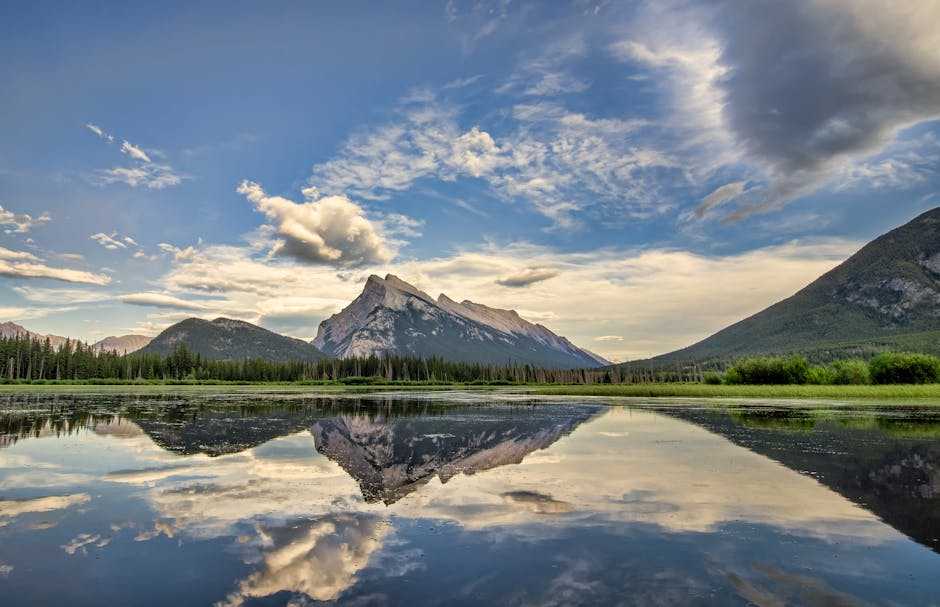
Not every national park is built the same and that’s kind of the point. Before you hit the road, figure out what you actually want from the trip. Chasing scenic mountain views? Glacier or Grand Teton. Into desert solitude? Try Big Bend or Great Basin. Obsessed with spotting wildlife? Yellowstone or Denali will treat you right.
Once you’ve got your shortlist, check conditions before committing. The National Park Service website is your mainline for updates: trail closures, wildfire risks, weather alerts. Especially important during shoulder seasons or when wildfires are in play.
And don’t sleep on reservations. Campgrounds, park entrances, and even some popular hikes now require advance booking and those spots go fast. If you’re planning on drop ins or winging it, have a backup (or two). In busy months, flexibility is your best asset.
Pack Smart and Light
You don’t need to bring your entire garage. But you do need to bring the right stuff. Start with the basics: moisture wicking layers (weather can turn fast), a reusable water bottle (hydration is non negotiable), a reliable map or GPS (don’t count on your phone), and high protein snacks that won’t melt or go stale. Think simple, durable, essential.
The line between overpacking and underpreparing is thin. Leave behind extras you won’t use third jacket, full size shampoo, multiple devices but don’t skimp where it counts. Especially in remote areas, forgetting a headlamp or an extra pair of dry socks can turn a good day into a miserable one.
Also, pack with flexibility in mind. Sometimes the sunny trail turns stormy. Sometimes the trailhead you planned for is closed. Leave just enough room in your bag and your plan to adapt.
Pick Trails That Fit Your Skill Level
This isn’t the time to wing it. Taking on an advanced trail without serious training or the right gear can turn brutal fast especially in remote parks where rescue isn’t quick. Know your limits and plan accordingly.
Before heading out, check your trail route using trusted hiking apps or ask a ranger on site. Conditions change, and what looks doable online might be a mess in real time. Rangers know the terrain better than your GPS does.
Skip the Instagram famous spots if they’re overcrowded or above your skill level. Hidden trails often deliver better views, more solitude, and a more rewarding day. Pro tip: Check out some of the top national park trails before you head out. The right trail makes all the difference.
Respect Local Wildlife and Ecosystems
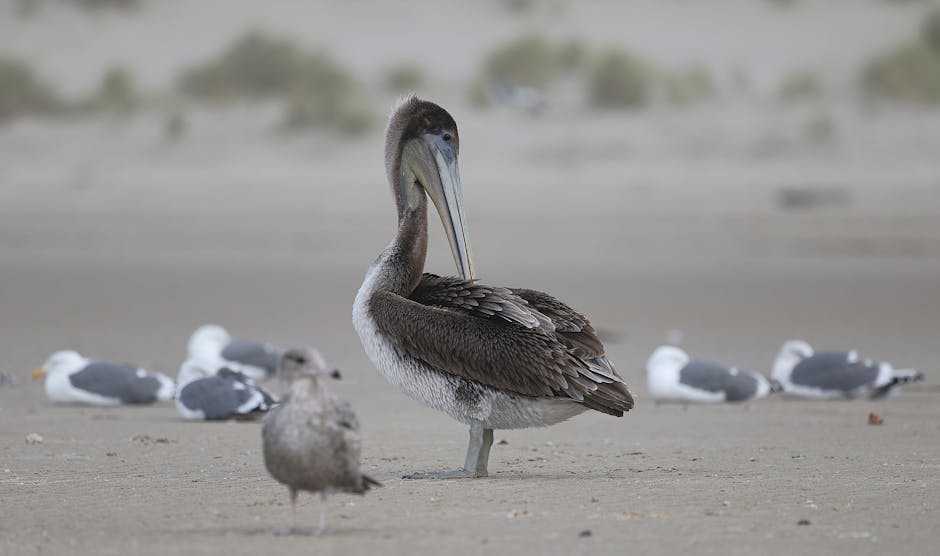
It’s not just about you out there national parks are home to delicate ecosystems and thousands of species that don’t need your curiosity turning into interference. Staying on marked trails isn’t about being bossed around. It’s about protecting fragile soil, native plants, and wildlife habitats from unnecessary damage. Even one off trail footstep can take years to recover in high alpine or desert zones.
And yes, that elk, bear, squirrel, or whatever animal you encounter is adorable. No, you shouldn’t approach it. No selfies, no snacks. Feeding wildlife throws off their natural behavior and can result in animals becoming aggressive or dependent on humans usually ending badly, for them.
Want to genuinely tread lightly? Learn Leave No Trace. Don’t just skim the list understand it. It means packing out trash (even the tiny stuff), minimizing campfire impact, and respecting other visitors and the land. The parks can’t police everyone. If you’re out there, it’s on you to keep these places wild.
Don’t Rely on Cell Service
Here’s a basic truth: your phone’s going to fail you in a lot of national parks. Tower coverage drops off fast once you’re off the main roads and you can’t count on a signal to get you home or find your trailhead. That makes offline prep non negotiable. Download maps before you lose coverage. Screenshot important trail info. Better yet, carry a paper map or a GPS device that works without a cell connection.
Also, tell someone your plan. Where you’re going, what trail you’re on, and when you expect to be back. It’s not dramatic it’s smart. If something goes sideways out there, even a rough timeline can make all the difference.
Disconnecting from your phone might even be part of the appeal. But don’t let it catch you off guard.
Make the Most of Your Mornings
There’s a reason the serious hikers and photographers are up before the sun. Mornings in national parks are something else crisp air, soft light, and a kind of stillness you won’t get later in the day. If you’re after great lighting for photos, fewer people on the trails, and a little peace before the crowds roll in, start early.
Wildlife tends to be more active around sunrise, especially in cooler months. Deer, birds, and even the occasional bear are easier to spot when the park is quiet and the day is just warming up. Plus, temps are cooler, which helps if you’re clocking miles or climbing elevation.
Quiet early hours also give you the rare chance to really take in your surroundings without a dozen phones snapping the same view. Bottom line: if you’re serious about the experience, set your alarm. Morning rewards the committed.
Stay Safe, Stay Aware
Conditions in national parks can turn on a dime. One minute it’s clear skies, the next you’re stuck in a sudden downpour or worse, a lightning storm. High elevations and deep canyons are especially unpredictable, so don’t take sunshine for granted. Pack layers and always have a backup plan.
If you start feeling dizzy, short of breath, or nauseous on a climb, don’t push through. Those are red flags for altitude sickness. Likewise, stay ahead of dehydration and heat exhaustion by drinking water consistently not just when you’re thirsty. Lightheadedness, muscle cramps, confusion? Time to rest, hydrate, cool down, and reassess.
For anything longer than a basic trail loop, check in with park rangers. They’re your best source for real time trail updates, weather changes, and safe routes. They’ve seen it all, and they’re there to help.
Planning a hike? Here are some top national park trails worth exploring.
 Koralia Vosswynne, the visionary founder of Travel Update Vault, has dedicated her work to transforming the way travelers access reliable information. With a passion for exploration and cultural understanding, she built the platform to serve as a trusted hub for travel news, safety and health guidelines, planning resources, and authentic cultural insights. Her leadership ensures that every traveler, from the casual vacationer to the seasoned globetrotter, is equipped with the tools and knowledge needed for safer, smarter, and more enriching journeys.