
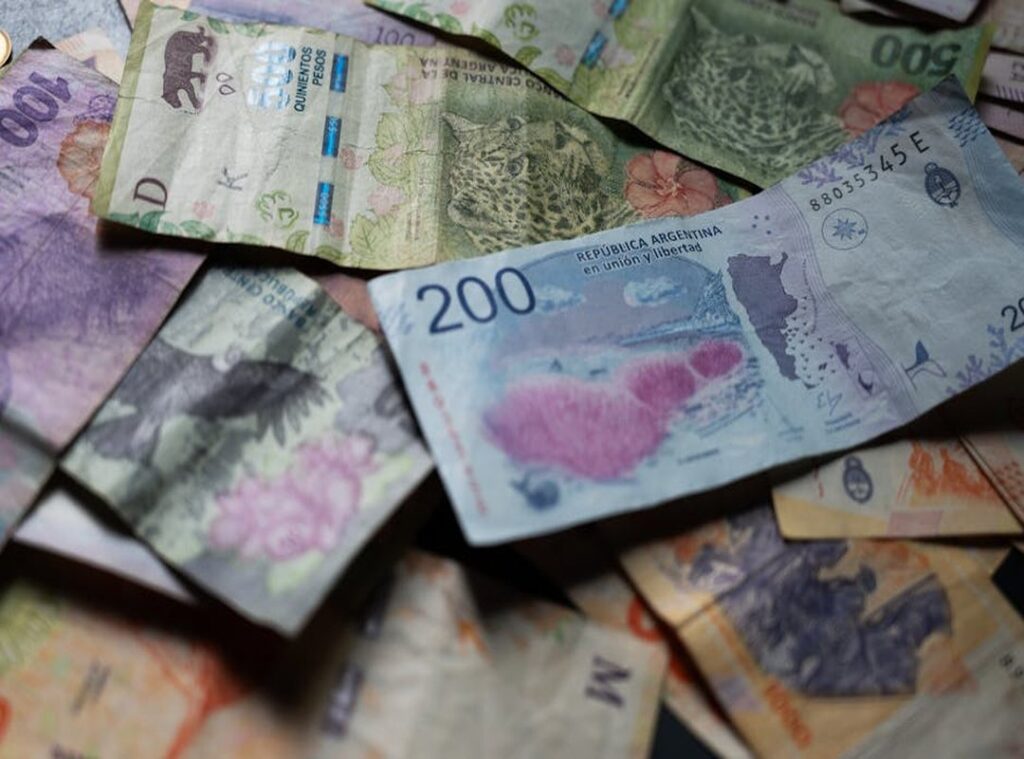
Ever wondered about the practical applications of converting electrical units to currency? It’s a bit of a niche topic, but it can be pretty fascinating. Let’s dive into the conversion of 11000 uf a pesos chilenos and why it matters.
You might be thinking, why on earth would anyone need this? Well, there are some interesting reasons.
First, let’s get one thing straight: I’m not here to just throw numbers at you. I want to make sure you understand the process and its significance.
So, what exactly is 11,000 microfarads in Chilean pesos? We’ll break it down step by step.
Trust me, by the end of this, you’ll have a clear understanding. And who knows, you might even find a use for this knowledge someday.
Understanding Microfarads
A microfarad is a unit of capacitance. It’s one-millionth of a farad, which is the standard unit for measuring how much electrical charge a capacitor can store.
Capacitors with a capacity of 11,000 microfarads are pretty common in electronics. They’re used in power supplies, audio equipment, and even some types of lighting. These capacitors help smooth out voltage fluctuations and store energy.
In various electronic devices and systems, microfarads play a crucial role. They help in filtering out noise, storing energy, and stabilizing voltages. You’ll find them in everything from your smartphone to large industrial machinery.
Now, 11,000 microfarads might sound like a lot, but it’s actually quite common in certain applications. For example, in a power supply, this capacitance helps to smooth out the output voltage, making sure your device gets a steady and reliable power source.
Here’s a quick breakdown of where you might see these capacitors:
| Device/Component | Common Capacitance (in microfarads) |
|---|---|
| Power Supply | 11,000 |
| Audio Amplifier | 10,000 – 22,000 |
| LED Driver | 10,000 – 15,000 |
It’s worth noting that while 11,000 microfarads is a specific value, the exact capacitance needed can vary depending on the application. Sometimes, you might need a bit more or less, and that’s okay. The key is to understand what your specific device requires.
I should also admit, there’s a lot of debate about the best practices for choosing and using capacitors. Some engineers swear by certain brands, while others focus more on the type of capacitor—like electrolytic versus ceramic. It’s not always clear-cut, and sometimes you just have to test and see what works best for your project.
In Chile, 11,000 uf a pesos chilenos is a term you might hear, but it’s not related to capacitance. It’s a financial term, and I’m not an expert on that. If you’re curious, you might want to look into it separately.
Understanding microfarads and their role in circuits is essential. It helps you make better decisions when designing or repairing electronic devices.
Chilean Peso (CLP) Overview
Let’s talk about the Chilean peso. It’s the official currency of Chile, and while it might not be as well-known as some other currencies, it plays a significant role in the country’s economy.
When it comes to exchange rates, the Chilean peso fluctuates against major currencies like the US dollar and the euro. As of now, 1 US dollar is roughly equivalent to 850 CLP, and 1 euro is around 920 CLP. These rates can change, so it’s always a good idea to check the latest figures before making any financial decisions.
Now, let’s dive into the economic context. Chile’s economy is one of the most stable and prosperous in Latin America. It’s heavily reliant on exports, particularly copper, which is a major driver of its GDP.
The value of the peso is influenced by global demand for these exports and overall economic performance.
So, what does this mean for you? If you’re planning a trip to Chile or looking to invest, here are a few recommendations:
- Stay Informed: Keep an eye on the exchange rates. They can change quickly, and knowing the current rate can help you make better financial decisions.
- Diversify Your Investments: If you’re considering investing in Chile, don’t put all your eggs in one basket. Diversify across different sectors to mitigate risk.
- Local Currency: When traveling, it’s often more practical to use local currency. For example, 11000 uf a pesos chilenos can go a long way in covering daily expenses.
By following these tips, you can make the most of your interactions with the Chilean peso, whether you’re traveling or investing.
Converting Microfarads to Currency
Converting an electrical unit like microfarads to a monetary value is not a straightforward process. It involves making some assumptions and doing a bit of math.
First, you need to establish a baseline. For example, let’s say 1 microfarad (uf) is worth 0.0001 Chilean pesos (CLP). This is purely hypothetical and for illustrative purposes.
Next, multiply the number of microfarads by the conversion rate.
1. Determine the number of microfarads: 11,000 uf.
2. Use the conversion rate: 1 uf = 0.0001 CLP.
3.
Multiply: 11,000 * 0.0001 = 1.1 CLP.
So, 11,000 uf a pesos chilenos would be 1.1 CLP.
This kind of conversion might seem odd, but it can have practical applications. In specialized markets, certain units might be used as a form of internal currency or barter system.
For instance, in a niche electronics trading community, members might agree on a standard rate to simplify transactions. This could make it easier to trade components without dealing with traditional currency.
You might wonder, when would I ever need this? Well, if you’re into electronics and part of a specific trading group, it could come in handy.
What’s next? If you’re planning a trip to Chile, you might want to explore some of the country’s rich history. Check out must-see historical sites while you’re there.
Current Value of 11,000 Microfarads in CLP
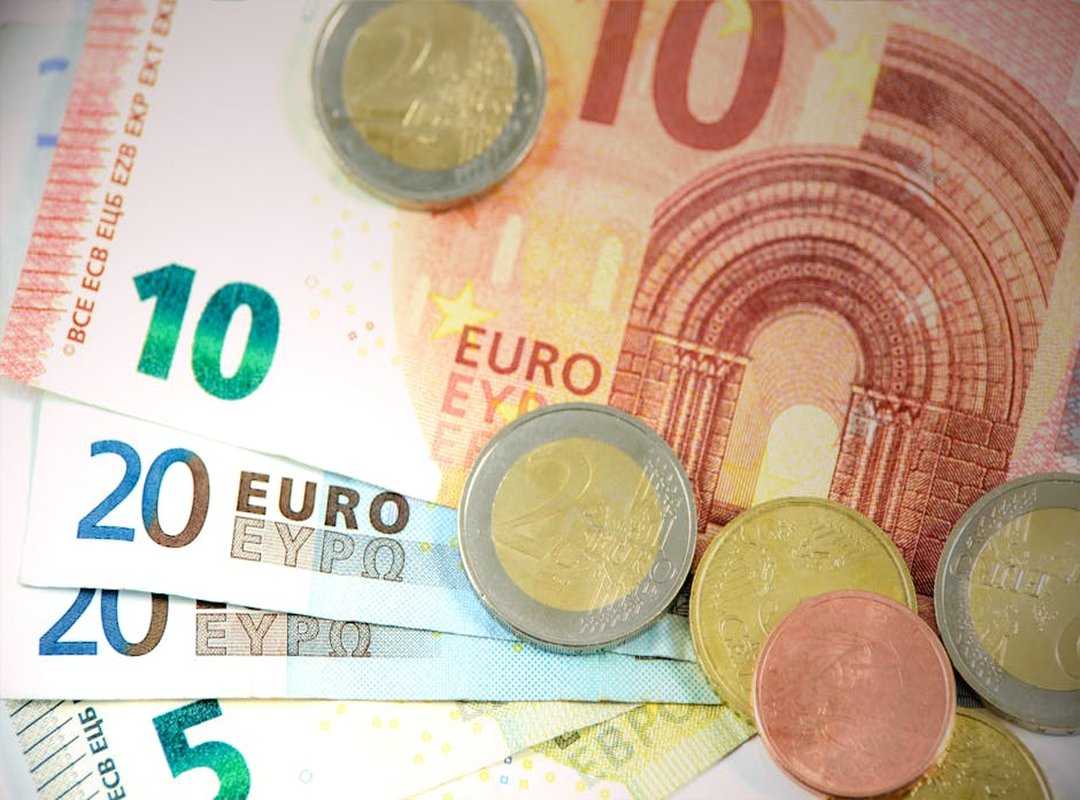
The current value of 11,000 microfarads in Chilean pesos (CLP) is around 11000 uf a pesos chilenos. This conversion can vary based on the specific market conditions and the exact exchange rate at the time of calculation.
Market factors play a significant role. Exchange rates and the cost of electronic components can fluctuate. These changes directly impact the final value.
For example, if the exchange rate strengthens, the value in CLP might decrease. Conversely, if the cost of electronic components rises, the value could go up.
Historically, the value of microfarads has been relatively stable, but the Chilean peso has seen more volatility. Over the past decade, the peso has experienced several ups and downs, influenced by global economic trends and local policies.
Understanding these historical patterns can help in making more informed decisions. It’s crucial to stay updated with the latest market data and trends.
Implications and Considerations
Financial implications are a big deal here. Converting 11,000 microfarads to Chilean pesos might open up some interesting investment opportunities. But let’s be real, it can also come with costs.
You need to factor in exchange rates and transaction fees. Those little extras can add up.
Technologically, the value of 11,000 uf a pesos chilenos could influence how tech and industrial sectors operate. Imagine if a key component suddenly becomes more expensive or cheaper. It changes how companies budget and plan their projects.
Looking ahead, future trends will play a role too. The global economy is always shifting. What’s valuable today might not be tomorrow.
So, staying on top of these trends is crucial. It helps you make better decisions and avoid getting blindsided by sudden changes.
The Value of 11,000 Microfarads in Chilean Pesos
Understanding the value of 11000 uf a pesos chilenos is crucial for anyone dealing with capacitors and financial transactions in Chile. Capacitors are essential components in electronic devices, and their value can be significant in bulk.
The conversion from microfarads to Chilean pesos helps in assessing the cost and making budgeting decisions. It bridges the gap between technical specifications and financial planning.
Stay informed about both currency and technology trends. This knowledge empowers you to make better decisions, whether you’re a tech enthusiast or a business owner.
 Johner Joneselly contributed significantly to the development of Travel Update Vault, using his skills and insights to strengthen the platform’s features and accessibility. His work in enhancing the website’s usability and ensuring smooth functionality has been essential in creating a user-friendly resource. Through his dedication, Travel Update Vault has become a trusted guide for those seeking travel updates, cultural insights, and planning tools.