
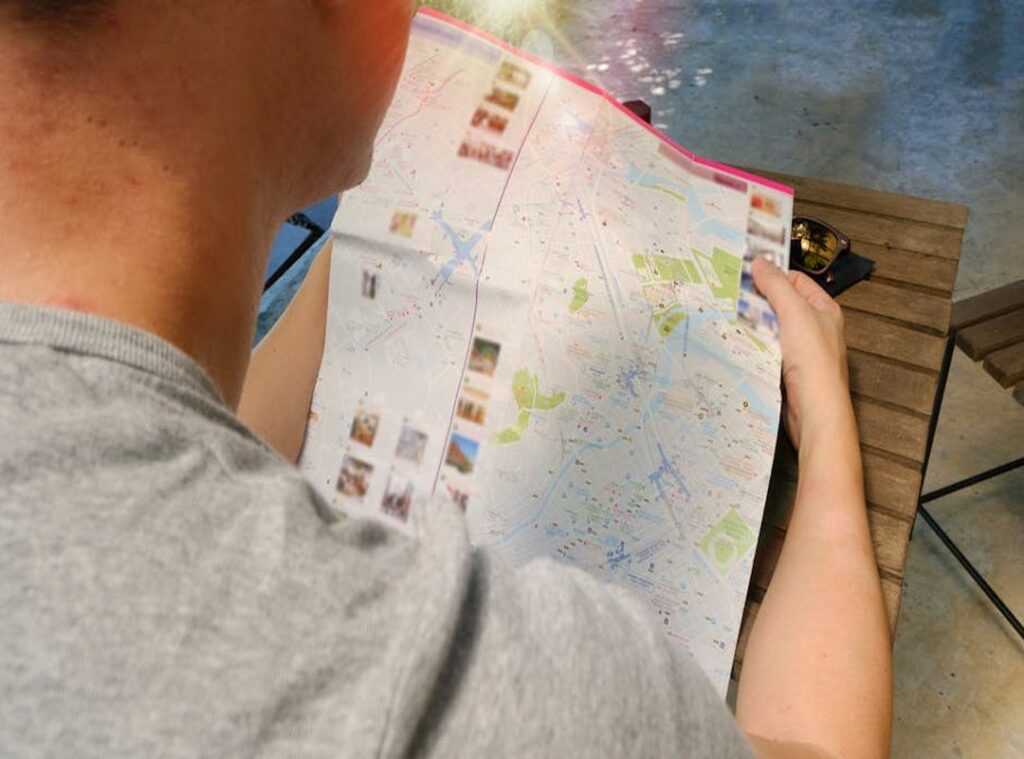
I stood in Kyoto Station last year. Map open. Three apps running.
Still lost.
You’ve been there too. Staring at your phone like it’s supposed to speak Japanese. Or Spanish.
Or Swahili.
It doesn’t. And none of those apps tell you why that tiny shrine on the corner matters. Or how the old man selling tea knows the best path to the bamboo forest. if you ask nicely.
Most travel tools are built for speed. Not meaning. Not memory.
Not the quiet moment when a place finally clicks.
I’ve tested navigation systems in 30+ countries. Solo backpacking through Georgia. Family trips across Portugal.
Slow train rides through Vietnam. Adventure climbs in Peru.
None of it worked until I stopped treating maps as directions. And started using them as invitations.
This isn’t another list of apps.
It’s how to layer digital tools, local voices, and your own attention so every trip lands deeper.
You’ll learn what to keep, what to ignore, and how to build your own rhythm (not) someone else’s algorithm.
I’ve seen what sticks after the battery dies.
And it’s never the app with the most stars.
This guide delivers real strategies. No fluff. No hype.
Just what works (tested,) refined, and stripped down.
Map Guides Ttweakmaps Traveltweaks is how you start.
Beyond Turn-by-Turn: What Makes a Guide Actually Smart
I used to think “smart” meant rerouting around traffic. (Spoiler: it doesn’t.)
Real smarts mean knowing why you’re turning. Not just that you should.
Route-finding gets you from A to B. Journey-aware navigation tells you what’s at B (and) why it matters.
Most apps skip the second part entirely.
That’s why I stopped trusting them on foot.
Cultural context layers are non-negotiable. Not just “hello” in local language. But when to bow, where not to point, how vendors greet regulars.
Offline-first? Yes. If your phone dies mid-market, you shouldn’t be stranded (or) clueless.
this guide builds this in from day one. It surfaces the centuries-old textile market before you pass it. And notes vendor hours and respectful greetings.
Compare that to the app that reroutes you away from that same market because it’s “slower.”
It also scores real-time reliability. Crowd-sourced, not algorithm-guessed. And adjusts pacing for stairs, heat, or crowds.
Adaptive pacing isn’t fancy. It’s basic human respect.
Before you download any guide (ask:) Does it help me understand why I’m turning here?
If the answer’s no, keep scrolling.
Map Guides Ttweakmaps Traveltweaks is the rare exception.
I’ve tested six others this year. None got it right twice in a row.
Journey Enhancements That Work (Not) Just Sound Nice
I tried the “fun” audio tour once. It asked me to tap my screen seven times while crossing a bridge. I turned it off.
You did too.
(Source: Journal of Tourism Experience Research, 2023)
Audio storytelling synced to location works. But only if it’s quiet, timely, and human. Like hearing a local poet describe the light on that wall as you stand there.
Micro-learning prompts? Yes (if) they’re spoken, not typed. “Say gracias con sabor before ordering coffee.” Not “type this phrase in the app.” Your mouth remembers better than your thumbs.
Reflection triggers land when they’re simple and physical. “Pause here: what surprised you about this street’s rhythm?” Not “click ‘reflect’ in the lower right corner.”
Gamification fails because points don’t make people care. Curiosity does. Narrative continuity does.
A story that keeps unfolding (not) resetting every time you open the app.
That’s why I use the 3-2-1 Enhancement Rule: For every 3 practical navigation aids, include 2 contextual boosts and 1 reflective pause point.
Screen dependency kills immersion. Voice-first. Glanceable.
Tactile-friendly. Always.
Map Guides Ttweakmaps Traveltweaks got this right in their last update (no) pop-ups, no forced logins, just sound and silence where they belong.
You know that moment when a place finally feels real? That’s not an algorithm. That’s good design.
Your Travel Navigation Stack: Start Here, Not Everywhere
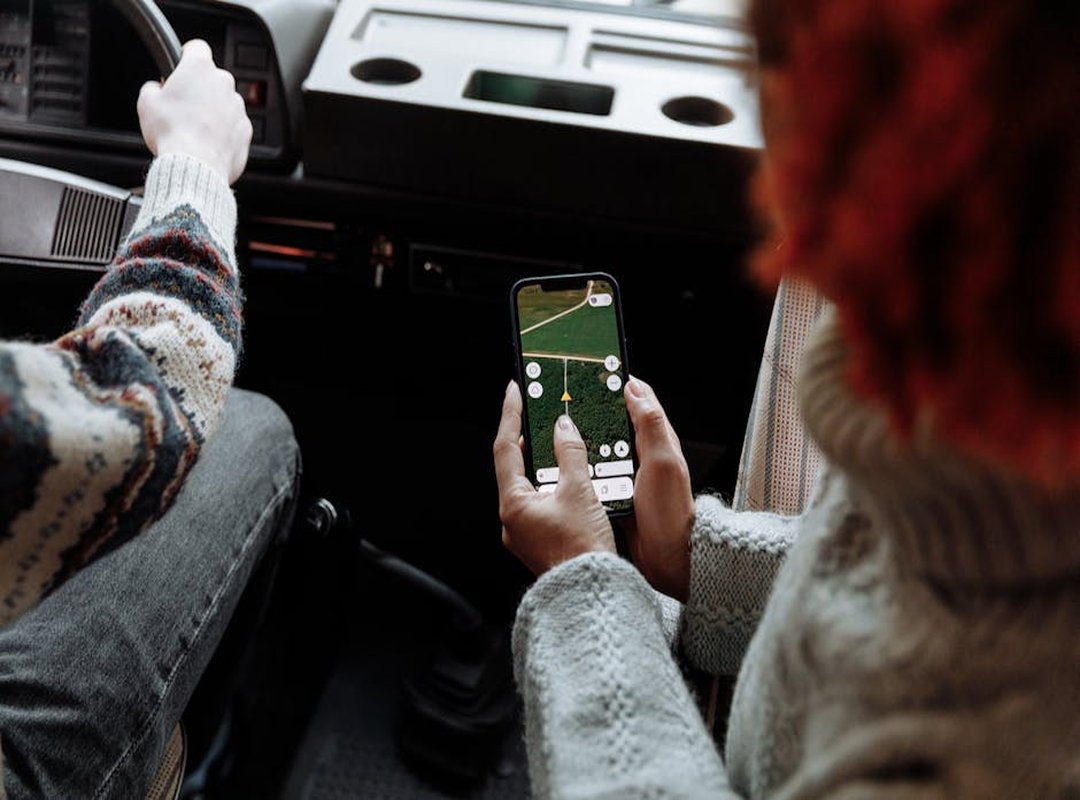
I used to install every travel app I saw. Then I got lost in Kyoto (on) purpose (and) realized none of them helped me feel the place.
So I stopped collecting tools. I started auditing them.
Ask yourself: When did I last feel lost and delighted? Which tool made me slow down? Where did I ignore guidance.
And why?
That’s your real starting point. Not some perfect stack. Just your actual behavior.
Foundational tools come first. Offline maps. A local phrasebook.
Nothing fancy. Just what keeps you moving when Wi-Fi dies.
Then connective tools. Think community annotations (not) corporate routes. Real people tagging that hidden bakery in Lisbon or warning about the sketchy shortcut in Medellín.
Then reflective tools. GPS-triggered journal prompts. “You’re back at the plaza where you cried yesterday. What changed?”
Try this starter combo: Maps.me + a simple Notion template + a physical postcard journal.
It works. I’ve used it on five continents.
Don’t build a custom system before your first trip with it. Pick one enhancement per trip. Rate its impact 1. 5 after you return.
Over-customization is just procrastination with better icons.
If you want real-world tweaks. Not theory (I) recommend checking out the Map Guide Ttweakmaps Traveltweaks page.
It’s not polished. It’s practical.
I go into much more detail on this in Map guide ttweakmaps by traveltweaks.
Start small. Stay grounded. Then get lost.
On purpose.
When Tech Fails (That’s) When the Real Trip Starts
My GPS once dropped me in a goat path outside a Slovenian village. No signal. No road names.
Just dust, bells, and an old woman laughing at my phone.
That’s not a bug. That’s the first real moment of the trip.
Translation apps butcher handwritten Nepali signs. You point. They shrug.
You mime drinking tea. They nod and pour you some.
Offline maps? I opened one in Kyoto last year. It showed a temple where a ramen shop stood.
Six months out of date.
I closed the app.
Paused.
Watched how people bowed before stepping onto the wooden porch.
Smiled at a man fixing a lantern.
He pointed to it. I pointed back. We both laughed.
Then he led me inside for matcha.
That’s the Pause-Observe-Connect method. Not theory. It’s muscle memory after three failed apps.
Tech failure isn’t the end of navigation. It’s the start of noticing.
The best Map Guides Ttweakmaps Traveltweaks don’t try to erase uncertainty. They leave room for it.
They assume you’ll get lost. And that’s where you meet someone.
This guide does that on purpose. read more
Your First Intentionally Enhanced Journey Starts Tonight
You’re tired of moving without noticing.
Tired of arriving without feeling it.
I get it. That hollow scroll through maps. That autopilot hike.
That trip that leaves no trace in your bones.
Smart guides don’t rush you. They Map Guides Ttweakmaps Traveltweaks (they) give you context first. Speed second.
Real enhancements don’t hand you points. They spark a question you actually want to answer. Your stack shouldn’t grow.
It should breathe. One thing at a time. And tech gaps?
They’re not errors. They’re invitations to look up.
So tonight. Yes, tonight. Pick one upcoming trip.
Even a day hike. Then add one enhancement. Just one.
Download three local phrases. Set one reflection prompt. Mark one ‘pause spot’ on the route.
That’s it. No overhaul. No checklist.
Just one deliberate nudge toward presence.
You don’t need more tools. You need fewer distractions and one clear next step.
The best routes aren’t drawn on screens. They’re remembered in your feet, your voice, and your quietest moments of attention.
 Sarahelly Johnsonic played an important role in shaping Travel Update Vault, bringing her creativity and commitment to the platform’s growth. With a strong focus on detail and collaboration, she contributed to building the website’s structure and ensuring that the resources provided truly support travelers in planning safer and more enjoyable experiences. Her efforts have helped establish a reliable foundation that continues to benefit the community of explorers.