
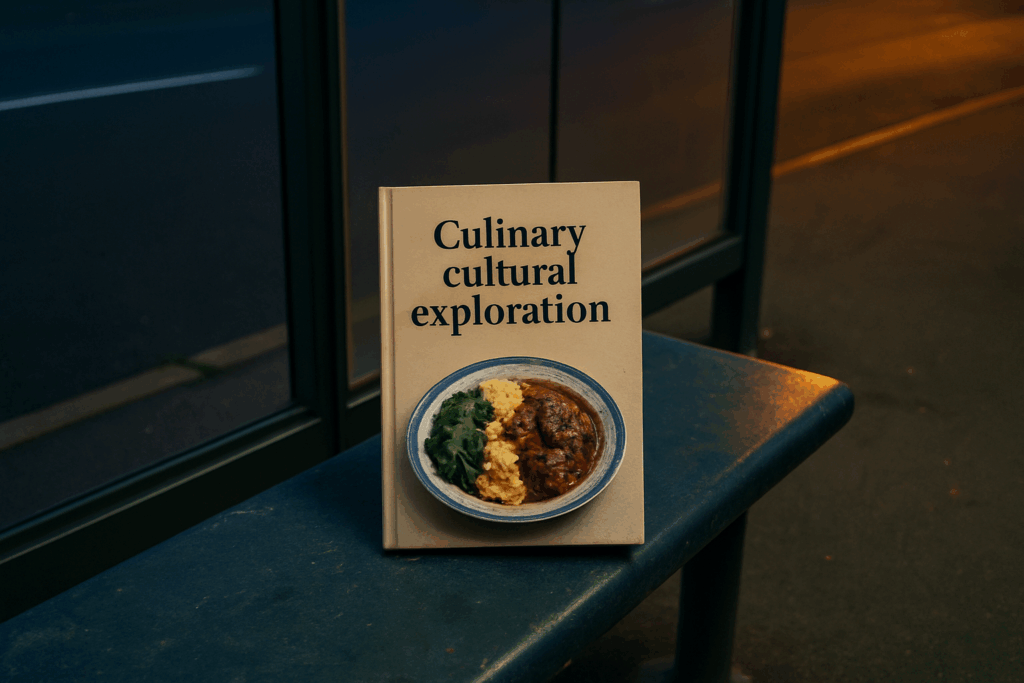
The Connection Between Cuisine and Culture
Food has always been shaped by place. Ingredients aren’t just picked for flavor they’re dictated by what grows nearby, what animals are raised locally, and what enters through trade routes. Olive oil in the Mediterranean, fermented fish in Southeast Asia, maize in the Americas it all links directly to soil, season, and access. Even scarcity leaves its mark. Think of dried beans in arid regions or pickled vegetables in cold climates where growing seasons are short.
Techniques, too, travel through time. Families pass down more than just recipes; they pass down hands on know how. Grilling over open flame, fermenting, slow braising these methods survive because they work, and because they tell us something about how people cooked without gadgets or shortcuts. There’s a quiet pride in doing things the old way.
And then there’s memory. Some meals don’t get written down, but they live on across dinners, celebrations, and generations. Aunties who never measured a thing still make the perfect stew. Grandparents who teach by doing. In this way, food becomes an oral tradition not just nourishment, but a living story told from plate to plate.
Regional Flavors Tell Local Stories
You can drive ten minutes across the countryside and suddenly, what’s on your plate changes. Even in neighboring villages, dishes differ not just in ingredients, but in method, spice, and meaning. Why? It starts with the basics: climate, geography, and need. A region near the sea might favor salt preserved fish; a valley town might rely more on root vegetables and smoke curing. The foods people grow, preserve, and prepare reflect what was available, sustainable, and smart for survival.
But local needs are just one chapter. The rest comes from movement of people, armies, and ideas. Migration brings new spices and techniques. Conquest mixes culinary DNA, sometimes by force. A simple stew might blend an ancient grain with a spice that arrived along a trade route or after an occupation. Generations pass, and today’s “traditional recipes” are often layers of adaptation.
Each village writes its own version of dinner, shaped by practicality, history, and memory. That’s why one region’s version of a dish is a cousin not a clone of the next. Food remembers where it’s been.
When Meals Become Identity
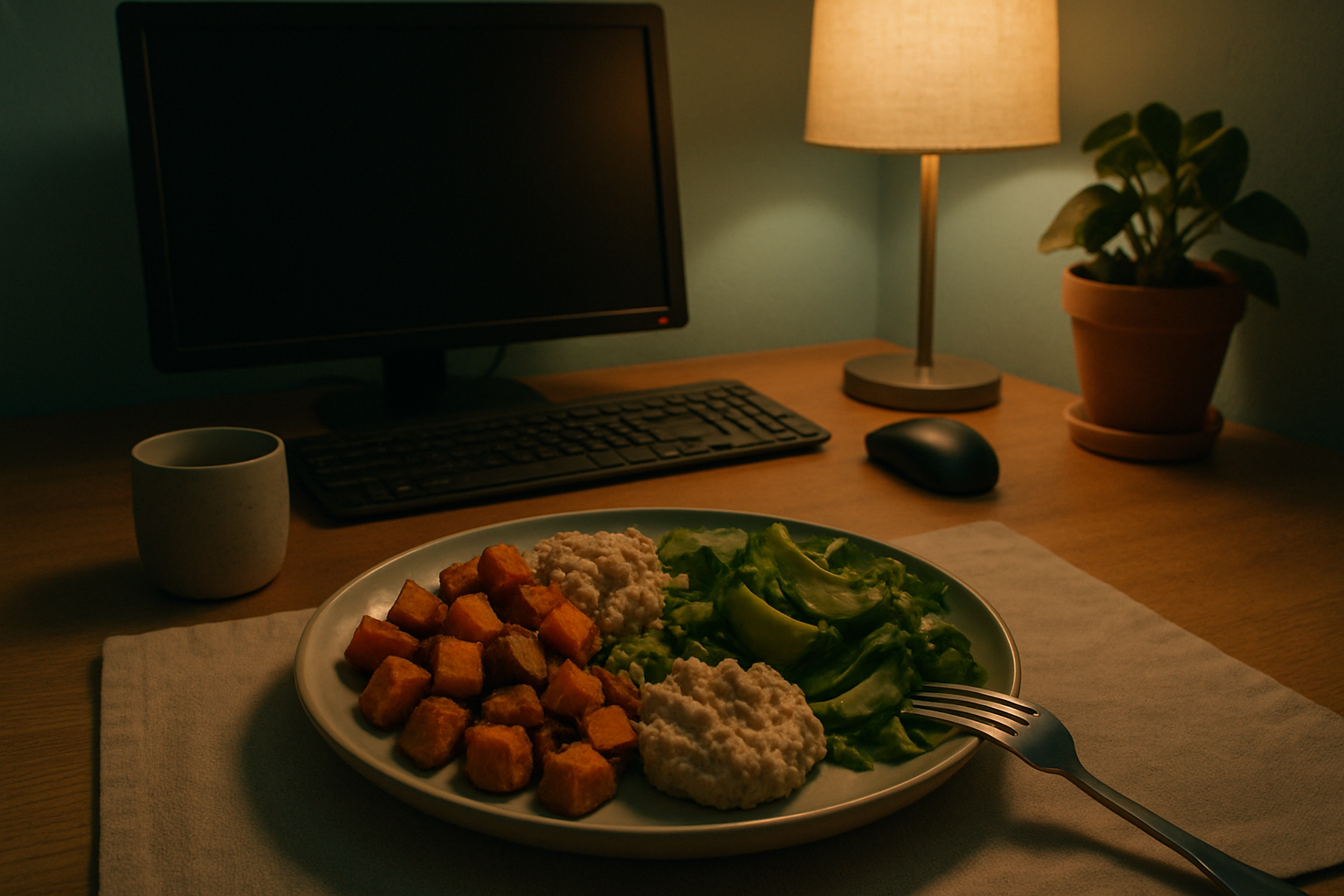
Every nation has its signature dish the one locals swear by and tourists seek out. It’s never just about flavor. Whether it’s Peru’s ceviche, Nigeria’s jollof rice, or Japan’s ramen, national dishes carry the weight of history, survival, and pride. They tell a story of climate, resourcefulness, and the values a culture holds tight.
Food isn’t a sideshow during national holidays or festivals it’s the main event. In India, sweets are central to religious offerings. In Mexico, families gather to make tamales during Christmas, with each person in the kitchen playing a role a ritual older than memory. Meals mark rhythm and celebration: breaking the Ramadan fast, Easter brunch, New Year’s dumplings. All rooted in shared experience.
Some of the most enduring cultural knowledge lives in grandma’s handwritten recipe cards or the muscle memory of a sauce stirred just right. These dishes outlive the people who made them first, yet they keep voices from the past alive. Recipes passed down aren’t just about taste they’re how a community remembers who it is, and shares that identity with the next generation.
Traveling Through Taste
You can’t know a place if you haven’t tasted it. Not the sanitized plates made for tourists, but the food that simmers behind cart windows and kitchen doors. The best glimpses into a culture often come standing elbow to elbow at a street stall, or seated at the plastic table of a family run eatery. These aren’t just meals they’re snapshots of daily life. What people eat when no one’s watching says more than any travel brochure ever could.
Learning to respect food customs matters just as much as eating the food itself. Whether it’s how to pass a dish, when to eat with your hands, or why meals start with silence, these small rituals are signals of identity. Study them. Ask questions. Follow the lead of locals. It’s not about performance it’s about connecting in their language, one that happens to be edible.
Then there are the markets. Not the polished, Instagram perfect ones, but the open air labyrinths of smell, noise, and motion. These are living museums. Ask vendors about ingredients. Watch what ends up in people’s baskets. You’ll learn what this place values, what grows here, what’s scarce, and what’s celebrated.
This isn’t just travel. It’s immersion bite by bite.
(Explore more insights: culinary adventures abroad)
Beyond the Plate
Food is never just food. Behind every ingredient are systems economic, social, and environmental that shape what ends up on your plate. In today’s world, what we eat is entangled with questions of labor rights, land use, climate impact, and food access. Vlogs that explore these connections are gaining traction, not just because they educate, but because they spotlight the choices people make every day, consciously or not. Viewers aren’t just watching how to cook lentils; they want to know where those lentils came from, who grew them, and what that means.
The global reach of culinary content also brings tension. Fusion food is everywhere Korean tacos, sushi burritos, you name it. It’s innovation, yes. But it often walks a line between respectful blending and erasure. Some vloggers are using their platforms to highlight that distinction, giving credit to origin cultures and talking openly about culinary appropriation versus appreciation.
Meanwhile, traditions hang in the balance. As fast paced urban life and processed convenience foods take over, heritage recipes are at risk of fading. But there’s a counter current. Creators are documenting grandma’s cooking, revisiting heritage farming methods, and putting hyper local dishes back on the map. They’re not nostalgia driven. They’re preservationists with cameras and conviction.
Food content in 2024 doesn’t exist in a vacuum. It reflects who we are, what we value, and where we’re heading. And sometimes, it calls out where we’ve gotten off track.
The Takeaway
A Story in Every Bite
Food is far more than nourishment; it’s a living archive of memory, tradition, and identity. The way flavors come together often reflects centuries of shared history, struggle, celebration, and survival. It’s a form of cultural expression that transcends language.
Meals serve as cultural memory passed down through generations
Dishes carry the stories of migration, climate, and creativity
Every flavor profile offers insight into a community’s values and experiences
Taste as a Passport
To truly understand a place, start by tasting it. Whether you’re sampling street food in bustling markets or joining a family for a home cooked meal, food offers a unique entry point into how people live and connect.
Culinary exploration reveals local customs and heritage
Respecting food traditions enriches travel experiences
Trying regional dishes builds bridges across cultures
Start your journey: Explore culinary adventures abroad
 Koralia Vosswynne, the visionary founder of Travel Update Vault, has dedicated her work to transforming the way travelers access reliable information. With a passion for exploration and cultural understanding, she built the platform to serve as a trusted hub for travel news, safety and health guidelines, planning resources, and authentic cultural insights. Her leadership ensures that every traveler, from the casual vacationer to the seasoned globetrotter, is equipped with the tools and knowledge needed for safer, smarter, and more enriching journeys.