
Why Festivals Matter Globally
Festivals do more than fill calendars and Instagram feeds. They reflect who we are, where we come from, and how we connect to each other. Whether it’s an ancient harvest ritual or a modern street celebration, each festival offers a snapshot of a culture’s priorities its myths, its struggles, its sense of joy.
These events preserve stories that might otherwise fade. Traditions passed down through dance, food, ceremony, and costume become anchors, holding communities together across generations. Yet festivals aren’t frozen in time. They adapt, stretch, remix. You’ll now find centuries old rites streamed live or embedded with pop culture references. It’s not a loss it’s a sign of life.
At the heart of it all is something simple: humans have always needed time and space to come together. To celebrate, remember, reset. No matter where you are in the world, that impulse is the same.
For a deeper dive into the roots: Cultural significance explained
Holi India’s Festival of Colors
Holi is both chaos and clarity. At its heart, it celebrates the triumph of good over evil and the arrival of spring after a long winter. The story behind it draws from Hindu mythology particularly the tale of Prahlad’s devotion and Holika’s defeat but its reach has grown far beyond its religious roots.
For most, Holi is one loud, bright, beautiful blur. Streets fill with color as people toss powdered dye into the air and at each other. There’s drumming, dancing, shared sweets, and a general sense that, for this one day, everyone’s on the same team. Old grudges get washed away, boundaries soften, and connection (however messy) wins.
What started in northern India has become a global phenomenon. Today, Holi inspired festivals happen across continents. Cities from New York to Sydney recreate the experience with local twists but the same intent: to bring people together, break monotony, and celebrate life out loud.
Día de los Muertos Mexico
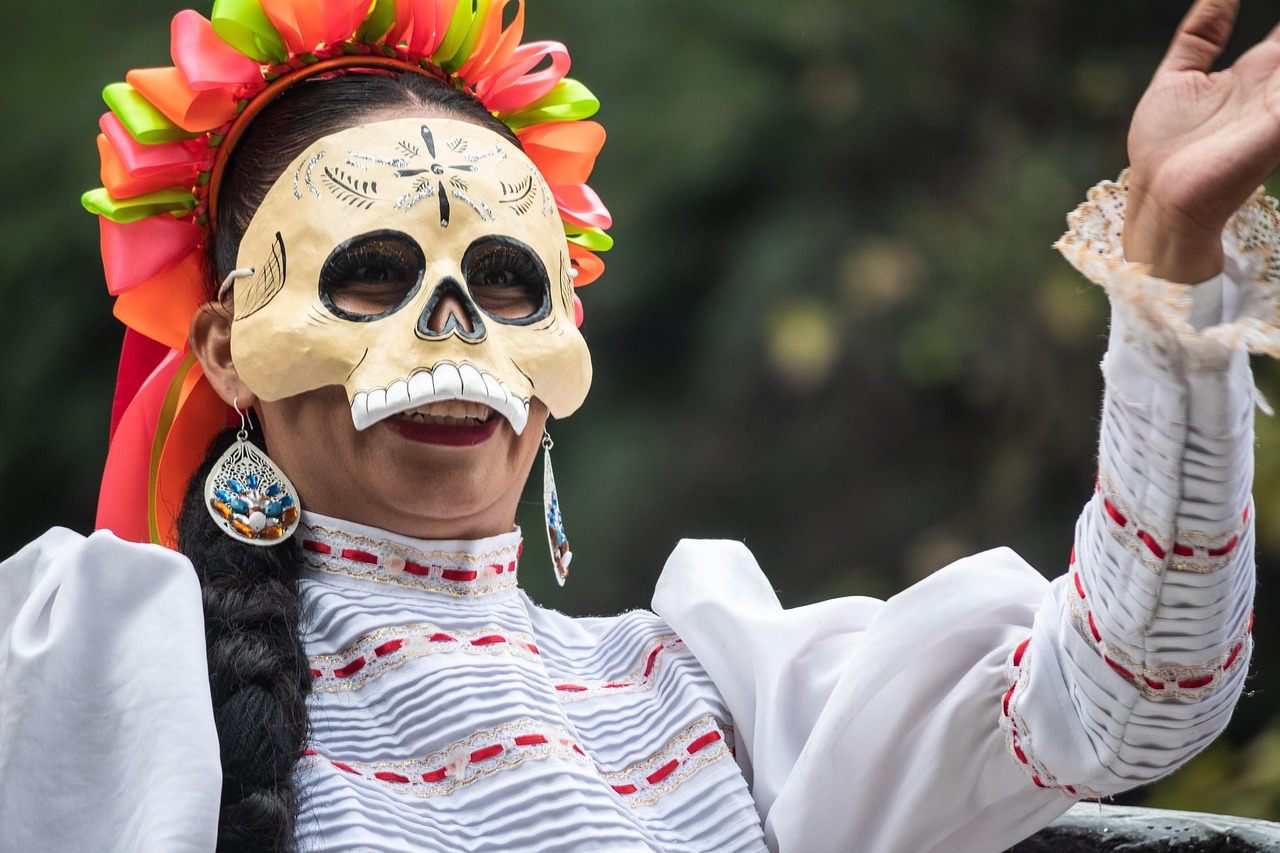
Día de los Muertos isn’t Halloween. It’s personal. It’s spiritual. Every year, families across Mexico and in growing pockets worldwide build altars to remember their dead. These ofrendas aren’t just decorative; they’re layered with meaning. Candles light the way. Marigolds guide the spirits. Favorite foods are placed out, not for show, but as a welcome home. Sugar skulls, colorful and detailed, hint at both the joy and the brevity of life.
At its core, this festival merges Catholic customs brought by colonizers with the older Aztec beliefs about death and the afterlife. What comes out of that fusion is a celebration that’s more reverent than mournful. It says: the people we love don’t disappear. They visit. They’re part of the world still, if we make space for them.
It’s a tradition grounded in memory and connection built slow, passed down, kept alive. For more on what festivals like this really mean, check out Cultural significance explained.
Songkran Thailand’s New Year
At first glance, it looks like Thailand throws the biggest water fight on Earth. But beneath the soaked streets and festival chaos, Songkran is a deeply meaningful celebration. It marks the Thai New Year a time to wash away the past and step into the future with clarity and good fortune.
Traditionally, water is used to cleanse statues of the Buddha and pay respect to elders by gently pouring it over their hands. Families gather to honor ancestors, visit local temples, and offer food to monks. It’s quiet, reflective, and rooted in Buddhist customs.
Then there’s the modern twist. Streets fill with laughter, Super Soakers, and full blown splash battles. Locals and tourists turn entire cities into arenas of joyful mayhem. But the purpose remains: water as a blessing, not just a weapon of fun.
Songkran walks a line between ritual and party. It’s a reminder that culture lives in both reverence and release sometimes in the same bucket of water.
La Tomatina Spain’s Legendary Tomato Fight
What began as a spontaneous food brawl in the 1940s in Buñol, Spain, has grown into one of the world’s most iconic and surreal festivals. La Tomatina wasn’t born out of tradition it started with a group of young people crashing a town parade and grabbing tomatoes from a nearby market in protest or mischief (depending on who you ask). The authorities tried to shut it down for years, but the locals kept bringing it back, turning it into an annual event by sheer force of will.
Today, thousands descend on the town’s narrow streets each August to toss overripe tomatoes at strangers. On the surface, it looks like pure absurdity a municipal food fight with protective goggles and truckloads of produce. But for Buñol, it’s more than a mess. It’s a statement of identity. The town has leaned into its rebellious roots and turned a moment of chaos into a symbol of resilience, playfulness, and community spirit.
Over time, La Tomatina has caught the attention of travelers and culture chasers. It’s been replicated around the world, but the original holds weight because it came from the people not a PR pitch. That authenticity keeps it strange, sincere, and oddly moving.
Obon Japan’s Festival of Spirits
Obon is one of Japan’s most revered spiritual traditions, offering a powerful blend of reverence, remembrance, and ritual. It’s a time when families honor their ancestors and reflect on the deep continuity between generations.
Honoring Ancestors with Rituals
At the heart of Obon are the traditional customs performed to welcome and pay respect to the spirits of the deceased:
Sacred ceremonies are held in homes and temples to honor ancestors
Bon Odori folk dances bring communities together in remembrance and joy
Grave visits are common, with families cleaning tombstones and offering incense and food
These rituals are not just symbolic; they serve as moments of personal and collective reflection.
Family and Spiritual Reflection
While Obon is a public festival, its essence centers around the family. It’s a period when many people travel back to their hometowns, much like a spiritual homecoming.
Strong emphasis on familial bonds
Time carved out for reflection, gratitude, and reconnection
Spiritual context takes precedence over spectacle
Lanterns and the Journey of Spirits
One of the most striking elements of Obon is the Toro Nagashi (floating lanterns) ceremony:
Paper lanterns are lit and set afloat on rivers
Symbolizes guiding ancestral spirits back to the spirit world
Brings a beautiful and emotional close to the festival
Obon, in its graceful rituals and quiet power, is a festival that not only remembers the past but links it meaningfully to the present and future.
What These Festivals Teach Us
Festivals aren’t just parties. They’re statements. Of who people are, where they come from, and what they believe in. Every ritual, color, and sound tells a story not always for show, often for remembrance.
From the powdered hues of Holi to the silent glow of Obon lanterns, these aren’t just crowd pleasers they’re culture in motion. And when you’re an outsider stepping in, respect matters. It’s not about snapping a photo, it’s about learning the ‘why’ behind what’s happening. The moment becomes richer when you do.
Whether in a quiet village or a packed city square, meaning grounds the chaos. Understanding transforms the experience. Because real celebration isn’t just about being there it’s about connecting with what it stands for.
 Koralia Vosswynne, the visionary founder of Travel Update Vault, has dedicated her work to transforming the way travelers access reliable information. With a passion for exploration and cultural understanding, she built the platform to serve as a trusted hub for travel news, safety and health guidelines, planning resources, and authentic cultural insights. Her leadership ensures that every traveler, from the casual vacationer to the seasoned globetrotter, is equipped with the tools and knowledge needed for safer, smarter, and more enriching journeys.