
Stay Calm, Then Act
The first few minutes of an emergency abroad can make or break how your entire situation unfolds. Panicking doesn’t help but going numb isn’t an option either. The key is getting your head clear fast and shifting into action mode.
Start by asking the basics: Am I physically safe? Am I injured? Do I need help right now, or is this manageable for the moment? These answers dictate what you do next. If there’s imminent danger like a medical emergency or civil unrest move to safety first, then deal with details. The faster you assess, the faster you can respond.
Travel emergencies come in all shapes: sudden illness, stolen passports, missing bags, pickpocketing, even riots or political flare ups. You don’t have to predict every scenario, but knowing what’s common, and having a basic plan, helps you stay on your feet. Every step after this gets easier if you start by staying grounded and thinking clearly.
Know Who to Contact First
In any emergency abroad, time and clarity matter. Whether you’re dealing with a medical issue, theft, or civil unrest, knowing exactly who to call before you’re in the middle of a crisis can save you time, money, and serious stress.
Local Emergency Numbers
Don’t wait until something goes wrong to find out how to reach help. Before your trip:
Research emergency numbers for each country you’re visiting (note: 911 is not universal)
Save numbers in your phone under clearly labeled contacts (e.g., “France Emergency Services”)
Write them down on a paper backup, in case your phone is lost or out of battery
Common numbers to look up:
Police
Ambulance/Medical services
Fire department
Embassy or Consulate Support
Your country’s embassy or consulate is your lifeline when dealing with legal, medical, or safety issues abroad. Especially in cases of:
Lost or stolen passport
Natural disasters or civil unrest
Detainment or legal issues
They can help:
Issue emergency travel documents
Connect you with local legal assistance
Provide updates and communication help during widespread emergencies
Keep this info handy:
Address and phone number of the nearest embassy/consulate
Appointment booking details (some are not open for walk ins)
Travel Insurance Hotline
Many travelers underestimate just how valuable their travel insurance hotline can be until they need it. Always:
Have your policy number and hotline contacts saved digitally and printed
Understand what services your provider offers medical support, emergency evacuation, hotel coverage during delays, etc.
Typical services include:
Connecting you to nearby hospitals and clinics
Help replacing lost prescriptions or assisting with medical translation
Reimbursement processes for stolen or lost property
Pro tip: Not all policies function the same read the fine print ahead of time to know what’s covered.
A little preparation goes a long way. Identifying your emergency contacts before departure makes you more confident and capable in difficult situations.
Medical Issues: Be Ready Before They Happen
Emergencies hit harder when you’re far from home. Even if you’ve got a strong stomach and a solid immune system, don’t gamble with your health abroad. Before boarding the plane, prep a short medical profile. Allergies. Current prescriptions. Blood type. Jot it down, print it, and save a digital copy on your phone or cloud. Translation apps or written versions in the local language can go a long way in a crisis. If you’ve got any critical conditions, wear a medical alert tag or bracelet.
Finding trustworthy medical care overseas takes legwork or smart planning. Research hospitals and clinics near your accommodations before you travel. Prioritize ones with international accreditation or English speaking staff. Travel forums, your embassy’s website, or even your insurance provider’s recommendations can help you zero in on solid options.
Speaking of insurance: don’t skip it. Travel insurance with strong medical coverage isn’t optional it’s your backup when things go sideways. Ensure it covers emergency transport, hospital stays, and medication. Some policies will even front the costs so you’re not stuck paying out of pocket.
For more on staying healthy while traveling, take a look at health protocols for travelers.
Lost or Stolen Passport
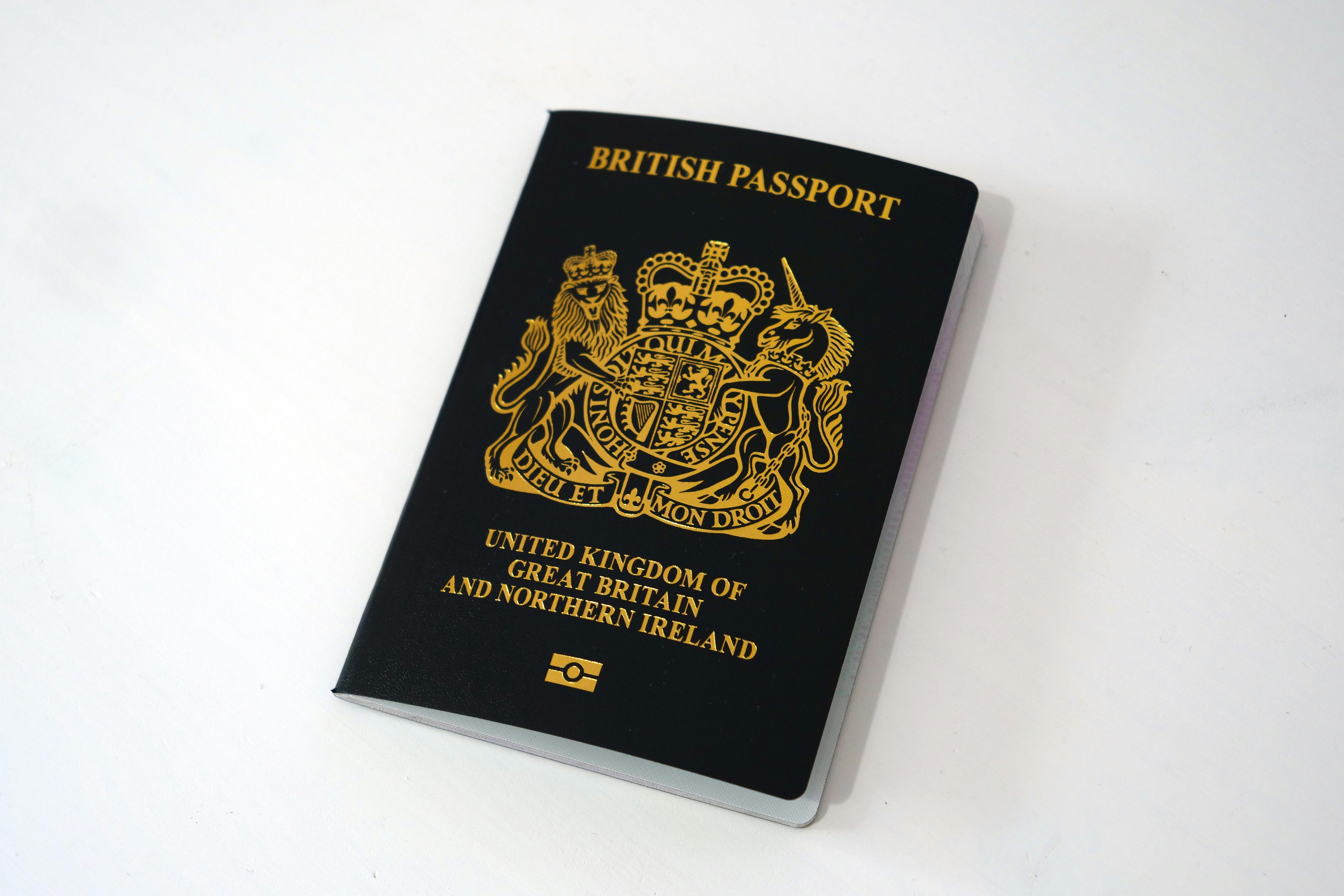
Losing your passport while traveling can be stressful but it’s manageable if you act quickly and follow the right steps. Here’s how to regain control of the situation and get back on track.
Step by Step: If Your Passport Disappears
- Stay calm and stay put. Ensure you’re in a safe area before making any calls or requests.
- Conduct a quick search. Double check all your belongings before assuming it’s lost or stolen.
- Report the loss to local authorities. File an official police report this may be required by your embassy.
- Contact your country’s embassy or consulate. They’ll guide you through the replacement process.
- Prepare necessary documentation. These typically include:
A copy of the police report
ID (copies or originals)
Passport sized photos (some embassies require recent ones)
Flight itinerary if you’re scheduled to leave soon
How to Get a Temporary Passport
Visit the nearest embassy or consulate in person. Schedule an appointment if required.
Complete any required forms. This varies by country but usually involves an application for an emergency travel document.
Be ready to pay a fee. Temporary passports often have a cost, which should be paid in local currency or by card.
Allow processing time. Some embassies can provide same day documents, while others may take 24 72 hours.
The Role of Digital Backups
Having digital copies of your identification can dramatically reduce stress and delay:
Store copies in a secure cloud service. Include your passport, travel insurance, tickets, and visas.
Use encrypted password managers. These can also store copies of ID documents securely.
Keep offline digital copies. Save crucial documents to your device in case Wi Fi or data is unavailable.
Being prepared doesn’t eliminate emergencies but it does make them far easier to navigate.
Natural Disasters or Civil Unrest
The fastest way to stay ahead of danger is to get real time alerts. Apps like Smart Traveler from the U.S. State Department or global tools like Sitata and GeoSure can push out location specific updates on everything from road closures to riots. Most embassies also have SMS and email alert systems you can register for. Sign up as soon as you land or better yet, before.
When chaos hits, your first instinct matters. Sometimes the safest move is to stay exactly where you are. Government alerts will often tell you whether it’s safer to shelter in place or move. Use common sense too if locals are staying put, it’s usually smart to follow their lead. On the other hand, if authorities issue an evacuation order, don’t wait. Have a bag ready, a meeting point set, and exit routes mapped out.
Crisis response varies from country to country, but core rules hold steady. Know your embassy’s contact info. Have physical copies of your ID. Keep power banks charged and critical numbers written down, not just stored in your phone. And most of all, don’t assume help will come fast. The more self reliant you are in those first hours, the better.
Theft or Robbery
Getting robbed abroad hits hard. The first thing: don’t panic. You’re not the first traveler this happened to, and there’s a process even when the language isn’t yours.
Start with local authorities. If you don’t speak the language, show them translated phrases or use a translation app with offline capabilities. Some countries have tourist police or translation support lines. Otherwise, your embassy might have resources or staff who can assist with translation or point you toward a reliable interpreter. File the report in person if possible it’s often required for insurance or bank claims.
Next, call your bank. Cancel the cards immediately. Many major banks have international emergency numbers that work 24/7. Ask them to flag your account and issue replacements. Also, file a claim to dispute any fraudulent charges. Timing is critical here. The sooner, the better.
Lastly, check with your credit card issuer about emergency cash. Many offer cash advance services in crisis situations. You’ll usually need to pick it up from a partner financial institution or Western Union, and rates vary. This isn’t free money it’s pulled from your account or future balance but it can keep you going until replacements arrive.
Above all, remember: physical safety first, then handle the logistics. Paperwork can wait a little. Your well being can’t.
Tips Before You Even Leave
Before you step on the plane, get your prep in order. Start by backing up your key travel documents passport, visa pages, insurance info, and emergency contacts. Save them to the cloud and also keep a printed copy somewhere separate from your originals. If things go south, you’ll be glad you did.
Next, loop someone in back home. Share your itinerary with a trusted friend or family member, including where you’re staying and when you’re moving between places. If something unexpected happens, they’ll have a head start helping you.
Finally, don’t ignore the health and safety guidelines of your destination. Some countries have entry restrictions, required vaccinations, or customs that affect how emergencies are handled. Skipping this step can cost you time or worse. You can start here: health protocols for travelers.
Tools That Could Save the Day
When things go sideways abroad, tech can be more than convenient it can be critical. Having the right tools preloaded on your phone means one less thing to panic about when time matters.
Start with travel safety apps. Apps like SmartTraveler, Sitata, or GeoSure give real time alerts on emergencies, health risks, or political unrest, often pulled from official sources and verified reports. Civil unrest brewing near your hostel? These apps will tell you before you step out the door.
Offline maps and translations aren’t flashy, but they’re lifelines. Download maps with Google Maps’ offline feature or use Maps.me when you’re totally off grid. Pair that with a translation app like iTranslate or Google Translate (with downloaded language packs), and you can ask directions or explain a medical issue even with zero signal.
E health cards and medical translator guides are underused but clutch. An app like Air Doctor or ICE (In Case of Emergency) holds your basic medical details. It’s not dramatic but if you end up unconscious or confused in a foreign ER, it could be the thing that keeps your treatment safe and fast. For on the spot help, preset phrasebooks focused on medical terms are more useful than general ones.
These aren’t just tools. They’re your travel insurance in app form silent until they’re incredibly loud when you need them.
 Koralia Vosswynne, the visionary founder of Travel Update Vault, has dedicated her work to transforming the way travelers access reliable information. With a passion for exploration and cultural understanding, she built the platform to serve as a trusted hub for travel news, safety and health guidelines, planning resources, and authentic cultural insights. Her leadership ensures that every traveler, from the casual vacationer to the seasoned globetrotter, is equipped with the tools and knowledge needed for safer, smarter, and more enriching journeys.