
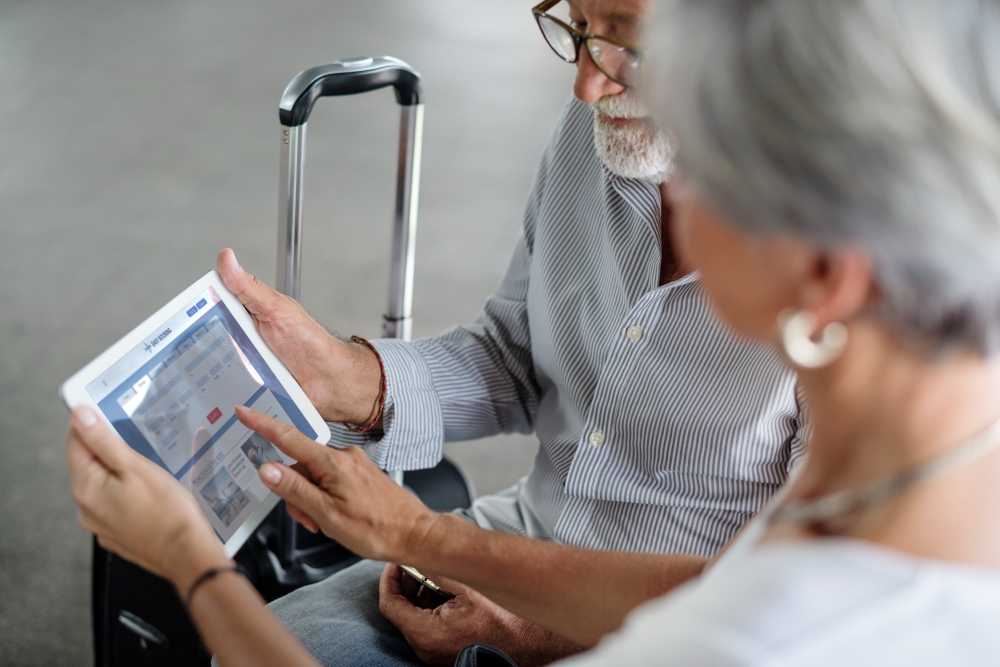
Traveling with older parents can be tricky. You want everything to go smoothly and for everyone to have a good time, but there’s plenty to worry about: getting through airports, sticking to medication routines, long walks at the terminal, and just how unpredictable flying can be. It’s normal for adult children to feel both excited and anxious before a trip with their parents, especially if health or stamina could be an issue.
The upside? With some smart prep, flying with elderly parents can get a lot easier. Picking the right flight, lining up extra help at the airport – those small decisions can make the whole trip much less stressful. A bit of planning can go a long way toward making the flights feel safer, smoother, and even enjoyable for everyone.
Book Early and Pick the Best Flight
Everything starts before you hit the airport. The type of flight you book really matters. Go for direct or nonstop routes if possible; layovers mean more walking, more waiting, and more chances for things to fall off track. Connections that seem minor can wear out anyone who deals with pain or gets tired easily.
Try early morning or midday flights. Airports are usually calmer, and delays are less likely than at night or during peak hours. Late departures and big crowds tend to be overwhelming for seniors, so avoid those if you can.
Don’t just take whatever seat is available. Pick something near the front so it’s less of a trek on and off the plane. Aisle seats help with bathroom trips, and if your parent needs extra room or has trouble moving, it’s often worth paying more for the comfort.
Ask for Assistance Ahead of Time
Lots of families don’t realize airlines already offer a bunch of support for older flyers – usually for free. Wheelchair service, priority boarding, and escorts through security can make a world of difference.
Ask for these when you book, or at least a couple of days before the flight. You’ll probably see options online, but calling the airline is often best to double-check.
With wheelchair help, staff usually stick with you from check-in to the gate – and sometimes even help during connections. They’ll take care of long walks, elevators, and crowded boarding zones. If your elderly parent travels with an airline-approved electric wheelchair, contact the airline in advance to confirm battery requirements and other policies.
In the U.S., the TSA Cares program helps travelers with medical issues or disabilities, and international airports often have similar programs. These programs can make security checks a lot less stressful.
Pack a Carry-On Medical Kit
When it comes to meds and health necessities, never pack them in checked bags. Lost luggage can quickly turn into a medical emergency.
Keep prescriptions in their original bottles in your carry-on. Bring copies of prescriptions and maybe a doctor’s note explaining any equipment or conditions – this helps at security and in case anything goes wrong abroad.
Toss in everyday comforts too: pain relievers, compression socks, sanitizer, tissues, spare hearing aid batteries, reading glasses, and a tiny first-aid kit. Older travelers count on their routines, so having these nearby keeps stress down.
A printed list of diagnoses, allergies, emergency contacts, insurance, and meds is also worth having – especially for international trips.
If you’re packing items like medical liquids or supplies, keep them in a pouch that’s easy to pull out for security checks. TSA and most airport screeners are used to these items, as long as you explain what they are.
Arrive Early and Take It Slow
No one likes running through the airport, but for seniors, rushing can be risky. It ups the chance of trips, falls, confusion, and just plain exhaustion.
Build in an extra 30 to 60 minutes beyond your normal arrival time at the airport. That way, you don’t have to speed through lines or change gates at the last minute.
Use any extra time to get organized: find your gate, check for accessible bathrooms, refill water, and let your parent sit and relax before boarding. Big, busy airports can be loud and chaotic – going slow helps everyone keep their bearings.
If your trip includes a layover, check with the airline about realistic connection times. Paper schedules sometimes ignore how long it actually takes to get around, especially if walking is tough.
Help Seniors Get Through Security
Security checks can be the most nerve-wracking part of the trip, especially for people with hearing problems, mobility aids, or medical devices.
Go over what the security process will look like long before you get to the airport – people worry less when they know what’s coming.
If you’re flying from the U.S., you can use TSA Cares for extra help. Many international airports offer something similar.
Tell the agents up front about things like pacemakers, oxygen tanks, hip replacements, or insulin pumps. Some seniors qualify for an easier screening (like keeping shoes on).
Keep IDs, tickets, and medical cards together in a pouch or wallet for quick access. Staying organized means less confusion at the checkpoint.
Make Them Comfortable During the Flight
Long flights can take a toll on anyone, but older adults feel it more. Dehydration, aching muscles, and poor circulation can creep up fast.
Sipping water is important – dehydration happens quickly at altitude. Alcohol and caffeine don’t help, so it’s better to go easy on both.
Encourage your parent to get up, stretch, or at least move their feet and legs every so often to reduce the chance of blood clots.
Pack small things that help: favorite snacks, a travel pillow, extra socks, a blanket, and headphones. For light-sensitive travelers, bring an eye mask or adjust the window shade.
If cabin noise or announcements make hearing aids tricky, many airlines now have apps that send flight updates directly to your phone, which can be handy.
Plan Arrival and Ground Transportation Ahead of Time
If you haven’t been prepared for getting off the plane, you may have a problem getting out.
Plan your ground transportation in advance and inquire about wheelchair-accessible vehicles or shuttle services for your trip. Even after landing, there will be a lot of walking in big airports, so it’s best to have assistance until you reach the curb.
Be aware that the help you arranged for departure may not be immediately available on arrival, particularly at international destinations – call ahead for help.
When staying in a hotel, speak with the staff about accessibility features (walk-in showers, elevators, grab bars, and first-floor rooms). Not all online listings are accurate in what they include.
Some downtime after arriving may be considered. Older travelers can be especially affected by jet lag and fatigue, so a quiet first day isn’t too early to allow everyone a bit of a rest.
Conclusion
Flying with elderly parents is not your usual routine, so there are some adjustments you should implement into your plan. Choosing smart flights, asking for assistance at the airport, packing smartly, and ensuring comfort during the trip make it easier for you and your parent. The memories that you’ll make and the time that you spend together outweigh the additional work.
 Johner Joneselly contributed significantly to the development of Travel Update Vault, using his skills and insights to strengthen the platform’s features and accessibility. His work in enhancing the website’s usability and ensuring smooth functionality has been essential in creating a user-friendly resource. Through his dedication, Travel Update Vault has become a trusted guide for those seeking travel updates, cultural insights, and planning tools.